



Have you ever walked into your kitchen and found water spreading across the floor from a leaking pipe? In that moment, most people panic and think, “Who can fix this quickly?” Now imagine being the person everyone calls in that situation—and getting paid well for solving real problems. That is why so many people today are searching for how to become a plumber in the UK. However, the path can feel confusing at first. Do you need qualifications? Can you start without experience? And how long does it really take? If these questions are on your mind, then you are in the right place. Let’s break down how to become a plumber in the UK step by step in a simple and clear way.
Table of Contents
What Does a Plumber Really Do?
Before you fully understand how to become a plumber in the UK, it is important to picture what the job looks like in real life. Many people think a plumber only fixes taps. However, the role is much broader and more skilled than that. In fact, plumbers work with complete water and heating systems that keep homes running smoothly every day.
Key Responsibilities of a Plumber
Installing water systems
Plumbers install pipes, tanks, and fittings in new buildings. In addition, they ensure everything works safely and correctly from the beginning.Repairing leaks and damages
When pipes burst or taps leak, plumbers quickly find the problem. Then, they fix it to prevent further damage and water loss.Maintaining heating systems
Plumbers work on boilers and radiators, especially during winter. Therefore, they help keep homes warm and comfortable.Fitting kitchens and bathrooms
They install sinks, showers, and toilets. As a result, they play a key role in making homes functional and modern.
So, the job is hands-on, practical, and always needed. If you enjoy solving real problems and working actively, then learning how to become a plumber in the UK could be the right path for you.
Why Are More People Choosing Plumbing?
Now you may wonder, why are so many people searching for how to become a plumber in the UK? The answer becomes clear when you look at current trends and real data. In recent years, skilled trades have gained more attention because people want stable jobs that cannot be easily replaced. At the same time, the UK continues to face a shortage of qualified tradespeople, which makes plumbing an even stronger career choice.
Key Reasons Explained
High demand across the UK
Plumbing is essential in every home and building. According to National Careers Service, skilled trades like plumbing remain in steady demand. In addition, industry reports highlight a growing skills shortage in construction and maintenance roles, which increases job opportunities.Stable and growing income
Many learners explore how to become a plumber in the UK because of salary potential. Data from Indeed shows that plumbers in the UK earn around £32,000 on average, while experienced professionals can earn over £40,000. Therefore, income grows as your experience increases.Flexibility and independence
Plumbing allows you to choose how you work. For example, you can join a company for stability or become self-employed for higher earnings. As a result, many plumbers build their own businesses over time.Low risk of job automation
Unlike many office jobs, plumbing requires physical work and problem-solving. Therefore, it is less likely to be replaced by technology, which makes it a secure long-term career.
So, when you look at demand, salary, and job security together, it becomes clear why so many people are exploring how to become a plumber in the UK. It is not just a job—it is a practical and reliable career path with long-term opportunities.
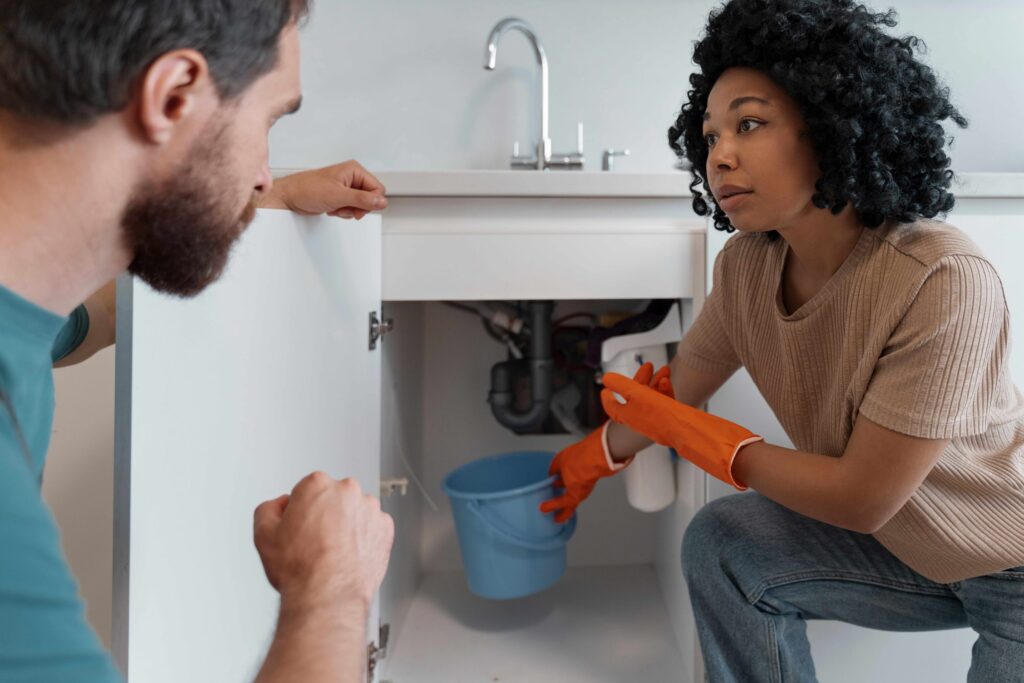
How to Become a Plumber in the UK
If you are serious about learning how to become a plumber in the UK, you need to follow a clear and structured path. At first, it may feel confusing because there are many options. However, once you understand the steps, the journey becomes much easier and more achievable. So, let’s go through each step carefully so you know exactly what to do next.
Step 1: Start with Basic Knowledge
At the beginning, you do not need experience. However, you must understand the basics of plumbing. This includes how water systems work, how pipes are connected, and how tools are used safely.
For example, many beginners start with Studyhub’s Online Plumbing Course, which explains everything in simple terms. In addition, it allows you to learn at your own pace from home.
At the same time, according to National Careers Service, entry-level learning is the first step before moving into practical training. Therefore, starting with basic knowledge builds a strong foundation.
So, instead of feeling lost, you begin with clear and simple learning.
Step 2: Choose the Right Training Path
Once you understand the basics, the next step in how to become a plumber in the UK is choosing your training route. This decision is important because it shapes how quickly you progress.
Training Option | What It Means | Best For |
College Course | Classroom-based learning | School leavers |
Apprenticeship | Earn while learning | Beginners |
Online Course | Flexible learning | Adults |
However, many people now choose flexible learning. For instance, Studyhub offers courses like:
These courses allow you to learn without leaving your current job. In addition, they help you move forward step by step.
Step 3: Gain Practical Experience
After learning theory, you must practice what you have learned. This is a key part of how to become a plumber in the UK, because plumbing is a hands-on job.
You will need to:
Fix simple leaks
Install pipes
Use plumbing tools correctly
For example, learners who complete Studyhub’s Domestic Plumbing Installations and Repair Diploma often gain confidence because they understand real-life tasks.
In addition, guidance from industry bodies like WaterSafe highlights the importance of practical skills for safe and effective plumbing work.
Therefore, practice turns your knowledge into real ability.
Step 4: Get Recognised Qualifications
Now, as you move forward in how to become a plumber in the UK, qualifications become important. They help you prove your skills and increase your job opportunities.
Most plumbers work towards:
Level 2 Plumbing Diploma
Level 3 Plumbing Diploma
NVQ qualifications
For example, Studyhub provides structured learning through:
These courses help you understand advanced topics. As a result, you can take on more complex jobs and earn more.
Step 5: Start Working and Build Experience
Finally, once you have training and basic qualifications, you can start working. This is where your journey in how to become a plumber in the UK becomes real.
You can:
Work for a company
Join an apprenticeship
Start small freelance jobs
According to insights from Indeed, many plumbers begin with entry-level roles and then grow their careers over time.
In addition, as you gain experience, you can increase your income and even start your own business.
So, when you look at these steps together, the process of how to become a plumber in the UK is not complicated. You start with learning, then move to training, practice, and finally work. With the help of platforms like Studyhub, you can begin your journey today and grow step by step.
Plumbing Courses That Can Help You Start
When learning how to become a plumber in the UK, choosing the right course is very important.
Studyhub provides several beginner-friendly options:
Each course is designed to explain concepts in a simple way. In addition, they help you move from beginner to confident learner.
So, instead of guessing, you follow a clear learning path.
Plumber Salary in the UK
When people search for how to become a plumber in the UK, one of the biggest questions is always about money. After all, you want to know if the effort is worth it. So, let’s break this down clearly and honestly.
First of all, plumbing offers a stable and growing income. However, your salary depends on your experience, skills, and the type of work you do. For example, a beginner will earn less than someone with several years of experience. In the same way, a self-employed plumber can earn more than someone working for a company.
Average Salary Breakdown
Experience Level | Salary Range |
Beginner | £18,000 – £25,000 |
Intermediate | £25,000 – £35,000 |
Experienced | £35,000 – £45,000+ |
According to National Careers Service, newly trained plumbers usually start at around £18,000 per year. However, as they gain experience, their income increases steadily.
In addition, data from Indeed shows that many plumbers in the UK earn around £32,000 per year on average. Moreover, experienced professionals and specialists can earn over £40,000.
How Experience Affects Your Salary
At the beginning, you may earn less because you are still learning. However, as you gain more skills, your value increases. For example, once you complete training through Studyhub and gain practical experience, you can take on more complex jobs.
Therefore, your income grows step by step. In addition, experienced plumbers often charge higher rates because they can solve problems faster and more efficiently.
Self-Employed vs Employed Plumbers
Another important factor in how to become a plumber in the UK is choosing how you want to work.
Employed plumbers earn a fixed salary
Self-employed plumbers earn per job
For example, a self-employed plumber may charge £60–£100 per hour depending on the work. Therefore, they can earn more overall. However, they also need to find clients and manage their business.
So, both options have benefits. It depends on your goals.
Skills You Need to Succeed as a Plumber
Now that you understand the earning potential, let’s talk about skills. If you truly want to master how to become a plumber in the UK, you must develop both technical and personal skills.
First, plumbing is not just about tools. It also involves thinking, planning, and solving problems.
Key Skills Explained
1. Problem-Solving Skills
Every job is different. For example, a blocked pipe may have many causes. So, you need to identify the problem quickly and fix it correctly.
2. Communication Skills
You will talk to customers every day. Therefore, you must explain problems clearly and politely.
3. Physical Strength and Stamina
Plumbing can be physically demanding. For example, you may need to lift equipment or work in small spaces.
4. Attention to Detail
Even a small mistake can cause a leak. Therefore, accuracy is very important.
How Long Does It Take to Become a Plumber?
Many beginners worry about time when learning how to become a plumber in the UK. They often ask, “Will this take too long?”
The answer depends on your learning path.
Typical Timeline
Beginner course: 6–12 months
Intermediate training: 1–2 years
Full qualification: 2–3 years
However, if you start with flexible learning, you can begin immediately. For example, Studyhub allows you to start with an Online Plumbing Course without waiting for college admission.
Therefore, you can move forward at your own pace.
Fast vs Traditional Routes
There are two main paths:
Traditional route → College + apprenticeship
Flexible route → Online learning + practice
The traditional route takes longer but includes structured training. However, the flexible route allows you to learn faster and start earning sooner.
So, choosing the right path depends on your situation.
Common Mistakes Beginners Should Avoid
While learning how to become a plumber in the UK, many beginners make simple mistakes. However, avoiding them can save time and effort.
Mistakes Explained
1. Skipping Proper Training
Some people try to learn everything on their own. However, this often leads to confusion.
2. Choosing Low-Quality Courses
Not all courses are useful. Therefore, choosing a trusted platform like Studyhub is important.
3. Avoiding Practice
Learning theory is not enough. You must practice regularly.
4. Ignoring Safety Rules
Plumbing involves water and heating systems. So, safety is very important.
Final Thoughts
So, now you have a complete understanding of how to become a plumber in the UK. At first, the journey may seem confusing. However, once you break it into simple steps, it becomes much easier.
You start with learning, then move to training, and finally gain experience. Along the way, your skills improve, and your income increases. In addition, with the help of platforms like Studyhub, you can begin your journey without delay.
Therefore, if you are looking for a stable, practical, and rewarding career, plumbing is a strong choice. The most important thing is to start. Once you take the first step, everything else becomes clearer.
FAQs
It usually takes 2–3 years with training or up to 4 years with an apprenticeship.
Yes, plumbers earn £25,000–£40,000+, and experienced or self-employed plumbers can earn more.
Both earn similar, but electricians sometimes earn slightly more depending on specialisation.
No, because plumbing requires hands-on work and problem-solving, which AI cannot replace easily.
- All Courses
- IT & Software378
- Management279
- Teaching and Education249
- Business235
- Health and Fitness215
- Health & Safety163
- Engineering & Technology152
- Health and Social Care140
- Quality Licence Scheme138
- Healthcare132
- Accounting & Finance126
- Employability105
- Psychology103
- Lifestyle92
- Marketing75
- Office Productivity67
- Animal Care57
- Design and Photography53
- Design44
- Beauty & Makeup43
- Accounting & Bookkeeping34
- Web Development27
- Writing20
- Construction17
- Digital Marketing13
- Child Care11
- Environment9
- Bundle8
- Agriculture5
- Coaching1

Awarded By


0 responses on "How to Become a Plumber in the UK: Qualifications, Salary and Training Guide"