


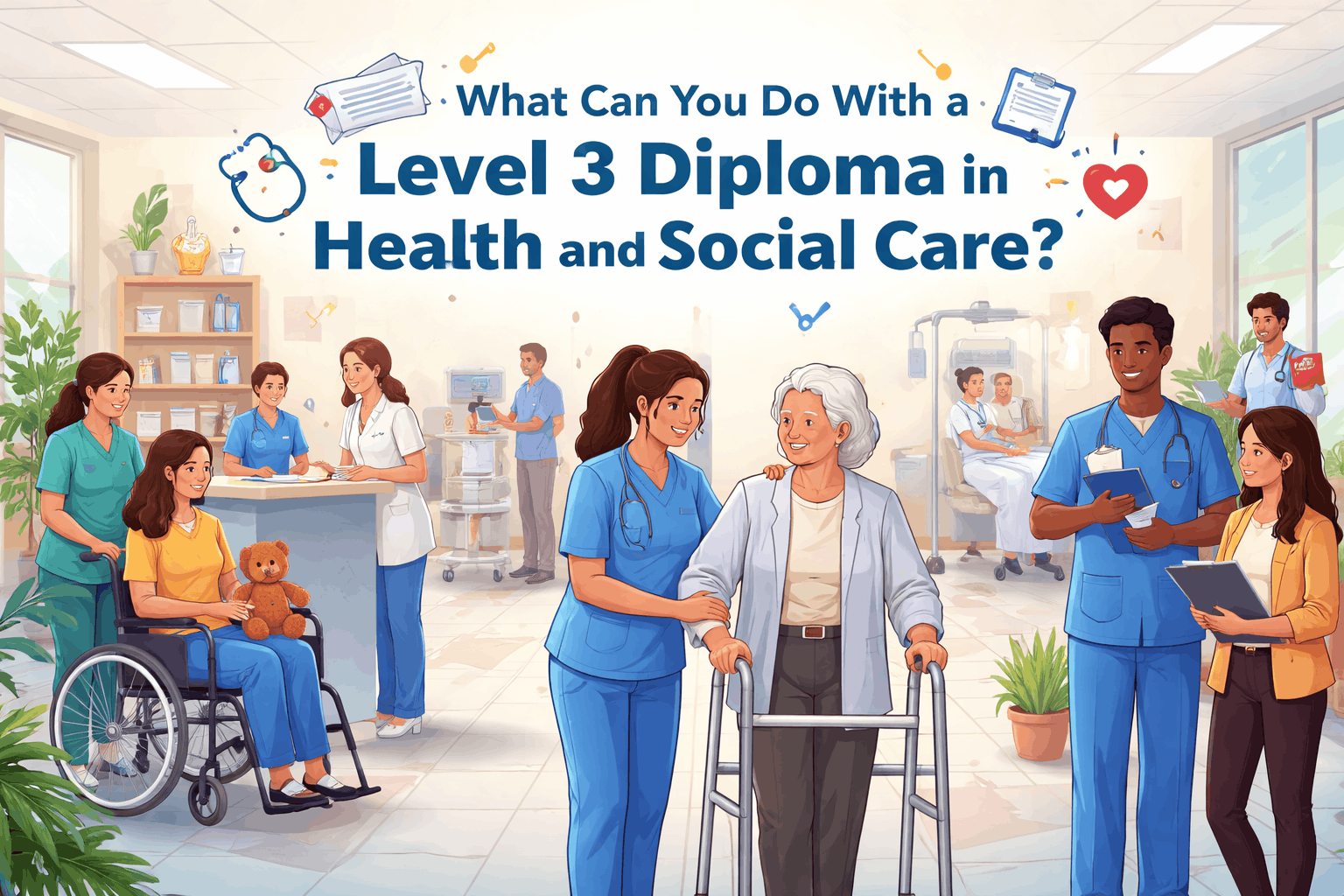
Early one morning in a busy care home, a new care worker helped an elderly resident prepare for the day. The resident struggled with simple tasks such as dressing and walking safely. However, with patience and the right training, the worker offered calm support and encouragement. Moments like this happen every day across the UK care sector. They show how important skilled care professionals are in people’s lives. Because of this growing need, many individuals choose to study the Level 3 Diploma in Health and Social Care. This qualification helps learners understand patient support, safety, and dignity while preparing them for meaningful roles in healthcare and social care services.
Table of Contents
Understanding the Level 3 Diploma in Health and Social Care
Before exploring career options, it helps to understand what the qualification offers. The Level 3 Diploma in Health and Social Care prepares learners to support individuals in healthcare and social settings. In addition, it develops practical skills required in the modern care industry.
The course normally covers:
communication skills in care
safeguarding and duty of care
equality and diversity
person-centred care
health and safety practices
Because of this training, graduates understand how to support people safely and respectfully.
Moreover, many learners begin their journey through structured online learning. For example, the Level 3 Diploma in Health and Social Care available through Studyhub introduces key knowledge needed for care roles.
Why This Qualification Matters in the UK
The UK health and social care sector continues to grow each year. Consequently, trained professionals remain in high demand across hospitals, residential homes, and community services.
According to UK labour statistics, the care sector employs millions of workers and continues to expand. Therefore, completing a Level 3 Diploma in Health and Social Care helps learners gain skills employers value.
In addition, the qualification supports both entry-level roles and further study opportunities. Many learners start with foundational training such as the Level 2 Diploma in Health and Social Care. Afterwards, they progress to the Level 3 diploma through platforms like Studyhub.
As a result, learners build both knowledge and confidence before entering the workforce.
What Can You Do With a Level 3 Diploma in Health and Social Care?
After completing the Level 3 Diploma in Health and Social Care, several career opportunities become available. Although some roles require additional training, the diploma still provides a strong foundation.
Below are common career paths.
1. Healthcare Assistant
A healthcare assistant supports nurses and doctors in hospitals or clinics. Therefore, the role involves direct patient care and daily support.
Typical responsibilities include:
assisting patients with hygiene and mobility
measuring temperature and blood pressure
supporting nurses during routine procedures
maintaining patient comfort
Because of these responsibilities, communication and compassion become essential skills.
According to National Careers Service, healthcare assistants often earn between £22,000 and £28,000 annually depending on experience and location.
Many learners complete the Level 3 Diploma in Health and Social Care through Studyhub before applying for these roles.
2. Support Worker
Support workers help individuals live independently. They often assist people with disabilities, mental health conditions, or long-term illnesses.
Daily duties may include:
helping clients manage daily routines
supporting medication schedules
assisting with community activities
offering emotional support
Because of these tasks, patience and empathy become very important.
Moreover, many employers prefer candidates with the Level 3 Diploma in Health and Social Care because it demonstrates professional training.
Training providers such as Studyhub prepare learners for these responsibilities by teaching communication and care planning.
3. Residential Care Worker
Residential care workers assist people who live in care homes. These residents may include older adults or individuals with disabilities.
Common responsibilities include:
supporting residents with personal care
monitoring wellbeing and safety
assisting with meals and medication
encouraging social interaction
Because residential care focuses on long-term support, workers often build strong relationships with residents.
Furthermore, the Level 3 Diploma in Health and Social Care helps workers understand safeguarding and person-centred care.
4. Community Care Worker
Community care workers assist individuals in their own homes. As a result, they help clients maintain independence while receiving necessary care.
Typical tasks include:
helping with household tasks
assisting with mobility and transport
providing companionship
supporting health monitoring
According to UK care workforce reports, community care roles remain among the fastest-growing health careers.
Consequently, many professionals begin with the Level 3 Diploma in Health and Social Care and then specialise in community support.
5. Mental Health Support Worker
Mental health support workers help individuals who experience psychological challenges. They often work in hospitals, clinics, or community centres.
Responsibilities usually include:
encouraging therapy participation
monitoring emotional wellbeing
assisting with recovery programmes
helping individuals build daily routines
Because mental health care requires sensitivity, professional training becomes essential.
Therefore, the Level 3 Diploma in Health and Social Care provides the foundation for understanding emotional wellbeing and safeguarding.
Training providers like Studyhub help learners build this knowledge before pursuing mental health support roles.
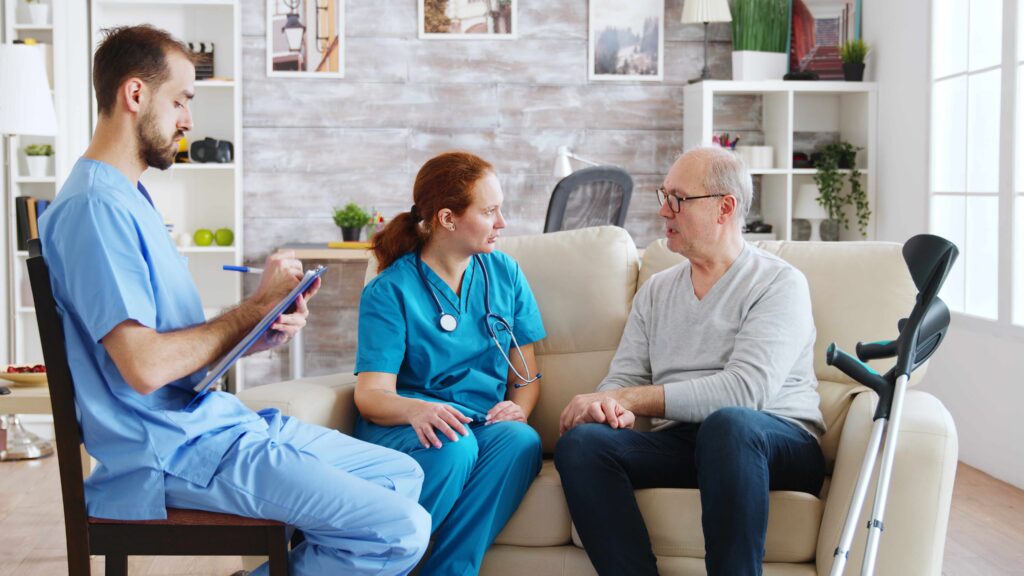
Career Progression Opportunities
Completing the Level 3 Diploma in Health and Social Care does not mean your career stops at entry-level roles. In fact, many professionals use this qualification as the first step toward higher positions in the care sector. As workers gain experience, they often take on more responsibility and leadership roles. Over time, this growth allows them to support larger care teams and manage care services more effectively.
Common career progression roles include:
Senior Care Worker
Senior care workers supervise junior staff and help maintain care standards. They also ensure that care plans are followed correctly while supporting residents’ wellbeing.Care Coordinator
Care coordinators organise care plans and manage communication between families, carers, and healthcare professionals. Because of this role, they help ensure that individuals receive the right support.Team Leader in Residential Care
A team leader manages daily care operations in residential settings. They support staff training, monitor service quality, and ensure safety procedures are followed.Specialist Support Worker
Some professionals specialise in areas such as mental health or dementia care. These roles require additional knowledge but often provide greater responsibility and career growth.
Therefore, the Level 3 Diploma in Health and Social Care helps professionals build the skills needed for these advanced roles.
Further Study Opportunities
Many learners decide to continue studying after completing the Level 3 Diploma in Health and Social Care. This qualification sits at a level that prepares students for further education in healthcare and social services. As a result, it often becomes a gateway to specialised professions.
Common study pathways include:
Nursing Degrees
Nursing programmes train students to provide medical care in hospitals and clinics. Many learners with a Level 3 Diploma in Health and Social Care choose this pathway.Social Work Courses
Social workers help individuals and families facing difficult situations. Further study in social work builds on the safeguarding and communication knowledge learned in the diploma.Occupational Therapy Training
Occupational therapists help people regain independence after illness or injury. This career requires additional university training but begins with healthcare knowledge.Public Health Studies
Public health professionals focus on improving community wellbeing. They often work on health education and prevention programmes.
Because of these opportunities, the Level 3 Diploma in Health and Social Care often becomes the first step toward professional healthcare careers.
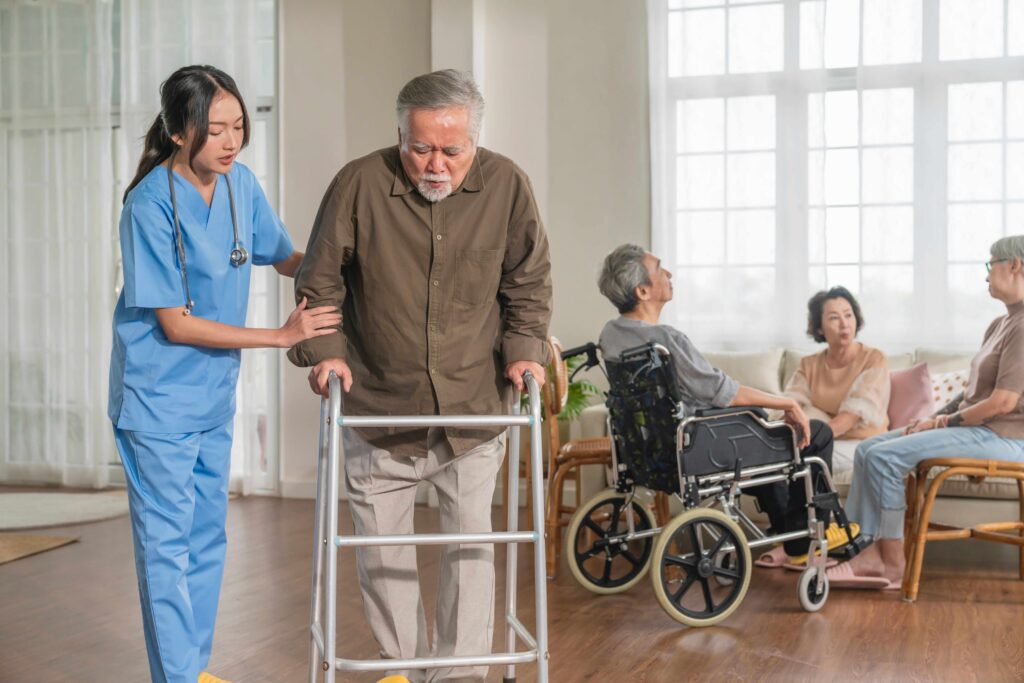
Key Skills Developed During the Course
The Level 3 Diploma in Health and Social Care helps learners develop practical skills required in real care environments. These skills prepare professionals to work confidently with patients, families, and healthcare teams.
Important skills include:
Effective Communication
Care workers must communicate clearly with patients and colleagues. This skill helps professionals understand patient needs and provide appropriate support.Teamwork in Healthcare Settings
Care professionals rarely work alone. They collaborate with nurses, doctors, and other staff members to ensure patients receive safe care.Safeguarding Awareness
Safeguarding protects vulnerable individuals from harm or neglect. Training teaches professionals how to recognise risks and report concerns properly.Problem-Solving in Care Situations
Care workers sometimes face unexpected challenges. Therefore, they must remain calm and find safe solutions quickly.Promoting Independence and Dignity
Supporting independence helps individuals maintain confidence in daily life. At the same time, respecting dignity ensures that patients feel valued and respected.
Because of these skills, the Level 3 Diploma in Health and Social Care prepares learners for real responsibilities in care environments.
Responsibilities in Health and Social Care Roles
Working in health and social care requires more than technical knowledge. Professionals must also follow ethical guidelines that protect the wellbeing of individuals receiving care. The Level 3 Diploma in Health and Social Care teaches these responsibilities in detail.
Key responsibilities include:
Maintaining Patient Confidentiality
Care workers must protect personal information. This responsibility ensures that patient privacy is respected at all times.Promoting Independence
Care professionals encourage individuals to complete daily activities when possible. This support helps maintain confidence and self-respect.Monitoring Health and Wellbeing
Care workers observe changes in physical or emotional health. If concerns arise, they report them to healthcare professionals quickly.Following Safeguarding Procedures
Safeguarding rules protect vulnerable individuals from abuse or neglect. Care workers must recognise warning signs and act responsibly.Providing Compassionate Support
Above all, care professionals must treat individuals with kindness and patience. Compassion helps create a safe and supportive environment.
Because these responsibilities are central to care work, the Level 3 Diploma in Health and Social Care ensures that learners understand professional care standards.
Salary Overview in Health and Social Care Careers
Salaries in health and social care vary depending on experience, employer, and location. However, completing the Level 3 Diploma in Health and Social Care can improve employment opportunities and earning potential.
Below is a general salary overview for common roles.
Job Role | Average UK Salary |
Healthcare Assistant | £22,000 – £28,000 |
Support Worker | £21,000 – £27,000 |
Residential Care Worker | £20,000 – £26,000 |
Mental Health Support Worker | £23,000 – £30,000 |
These figures can increase with experience and advanced qualifications.
According to the UK National Careers Service, healthcare assistants may earn between £21,000 and £30,000 per year depending on experience and workplace.
Important factors that affect salary include:
Experience Level
Professionals with several years of experience usually earn higher salaries.Workplace Setting
Salaries may differ between hospitals, care homes, and community services.Additional Qualifications
Higher qualifications can lead to specialised roles with better pay.
Therefore, completing the Level 3 Diploma in Health and Social Care may help professionals improve their earning potential over time.
Final Thoughts
Every day across the UK, care professionals quietly change lives. They support older adults, assist vulnerable individuals, and help people live with dignity. Behind many of these roles is the Level 3 Diploma in Health and Social Care, a qualification that builds essential knowledge and practical care skills. Because the healthcare sector continues to grow, trained professionals remain in high demand. As a result, many learners choose this diploma to begin meaningful careers. After completing it, individuals can explore roles such as healthcare assistant, support worker, or residential care worker. Moreover, the qualification can also lead to further study in nursing, social work, or other healthcare fields, creating long-term career opportunities.
FAQs
With a Level 3 Diploma in Health and Social Care, you can apply for roles such as healthcare assistant, support worker, residential care worker, or community care worker. These roles involve supporting individuals with daily activities, wellbeing, and healthcare needs in hospitals, care homes, or community settings.
Yes, the qualification is valuable because it prepares learners for real care roles and improves job opportunities in the UK healthcare sector. It also builds essential skills such as communication, safeguarding awareness, and patient support.
The diploma alone does not qualify someone as a nurse. However, it can help learners progress to further study, such as nursing degrees or healthcare training programmes required to become a registered nurse.
After completing the qualification, learners can start working in care roles or continue studying in areas like nursing, social work, occupational therapy, or public health to build advanced healthcare careers.
- All Courses
- IT & Software388
- Management279
- Teaching and Education249
- Business238
- Health and Fitness220
- Health & Safety163
- Engineering & Technology156
- Health and Social Care140
- Quality Licence Scheme138
- Healthcare133
- Accounting & Finance128
- Employability106
- Psychology103
- Lifestyle92
- Marketing75
- Office Productivity67
- Animal Care60
- Design and Photography53
- Design47
- Beauty & Makeup45
- Accounting & Bookkeeping34
- Web Development27
- Writing20
- Construction19
- Digital Marketing13
- Child Care11
- Environment9
- Bundle8
- Agriculture5
- Coaching1

Awarded By

0 responses on "What Can You Do With a Level 3 Diploma in Health and Social Care?"