


Do you enjoy learning how cars work and want to explore a career in the automotive industry? Becoming a car mechanic could be a suitable option if you are interested in vehicle maintenance, fault diagnosis and solving mechanical problems.
Car mechanics help keep vehicles safe and reliable by identifying faults, carrying out repairs and checking important vehicle systems. There are several routes into this profession, including college courses, apprenticeships and employer-based training.
If you are leaving school, considering a career change or exploring automotive training, understanding the available pathways can help you decide where to begin.
In this guide, we explain how to become a car mechanic in the UK, the qualifications you may need, the skills employers look for, expected salaries and opportunities for career progression.
What Does a Car Mechanic Do?
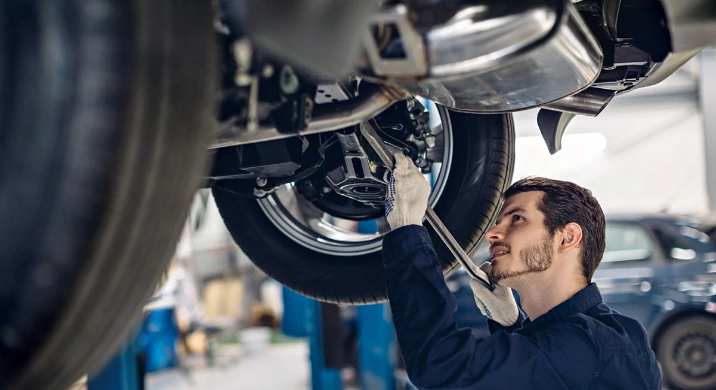
A car mechanic, also known as a motor mechanic or vehicle technician, inspects, maintains and repairs cars and light vehicles. The role involves understanding different vehicle systems and identifying problems that could affect performance, reliability or safety.
Car mechanics may work in independent garages, vehicle dealerships, repair centres or fleet maintenance departments. Their responsibilities depend on their experience, specialism and workplace.
Daily Tasks of a Car Mechanic
A car mechanic’s typical responsibilities may include:
- Inspecting vehicles to identify faults or damage.
- Servicing cars and replacing worn components.
- Checking brakes, tyres, steering and suspension.
- Diagnosing mechanical and electrical problems.
- Using diagnostic equipment to investigate faults.
- Following manufacturer guidance and safety procedures.
- Explaining repair requirements and costs to customers.
- Updating vehicle service records.
Some mechanics also work with hybrid and electric vehicles, which require knowledge of additional electrical systems and safety requirements.
The role requires attention to detail because incorrect repairs or missed faults can affect vehicle safety.
Is Becoming a Car Mechanic a Good Career in the UK?
Becoming a car mechanic can be a rewarding career for people who enjoy automotive technology, problem-solving and working with vehicles.
Cars and vans require regular maintenance, and vehicle repair services remain an important part of the transport industry. As vehicle technology changes, mechanics also have opportunities to develop knowledge of electronic diagnostics, hybrid systems and electric vehicles.
Another advantage is the range of career paths available. You could begin in a trainee position, progress to a qualified vehicle technician, specialise in a particular area or eventually manage a workshop.
However, the role also has challenges. Workshop environments can be noisy and physically demanding, and mechanics must follow safety procedures carefully. Keeping up with new vehicle technology may require additional training throughout your career.
Before choosing this path, consider whether the responsibilities, working environment and training requirements match your interests.
What Qualifications Do You Need to Become a Car Mechanic?
There is no single route into car mechanics in the UK. The qualifications you need depend on the position, employer and type of work you want to do.
Common training options include:
College courses: Motor vehicle maintenance and repair programmes introduce vehicle systems and automotive knowledge.
Apprenticeships: These combine employment with structured training and recognised qualifications.
Employer training: Some garages and vehicle organisations offer trainee positions or training programmes.
Specialist training: Further qualifications may be required for areas such as electric vehicle systems or MOT testing.
English and maths qualifications can be helpful for entry into some courses and apprenticeships. For example, the UK National Careers Service identifies college courses and Level 3 advanced apprenticeships as routes into motor mechanic work. Entry requirements vary by programme. National Careers Service
Do You Need a Level 2 or Level 3 Qualification?
Level 2 and Level 3 motor vehicle qualifications are common options for people pursuing a career in vehicle maintenance and repair.
The appropriate qualification depends on your starting point and career goals. A college or apprenticeship provider can explain the entry requirements and progression routes available.
Remember that completing an introductory online course is not automatically the same as obtaining an occupational qualification. If your goal is employment as a mechanic, check what training, assessment and workplace experience your chosen role requires.
Learn with the StudyHub Level 3 Car Mechanic and Repair Training Course and get a CPD-accredited certificate after completing the course. You’ll also get lifetime access, so you can study at your own pace.
You don’t need to pay the full price! Just enter STUDY99 at checkout and get the whole course for only £11.99 — less than the price of a takeaway!
How to Become a Car Mechanic in the UK: Step by Step
Step 1: Research the Role and Choose Your Career Route
Start by understanding what car mechanics do and which areas interest you most.
You might be interested in general vehicle maintenance, engine systems, electrical diagnostics or newer vehicle technologies. Researching different roles can help you decide which training route is most appropriate.
Consider whether you want to study at college, apply for an apprenticeship or look for a trainee position with an employer.
Step 2: Choose Suitable Automotive Training
Once you have identified your preferred route, research courses and training programmes that cover vehicle maintenance and repair.
Look at the subjects included, entry requirements, qualification level, duration and opportunities to progress.
An apprenticeship may suit learners who want to combine paid employment with structured training. A college course may be a useful starting point for someone who wants to develop their automotive knowledge before applying for a trainee role.
Step 3: Develop Your Knowledge of Vehicle Systems
A strong understanding of vehicle systems is an important foundation for a car mechanic.
Relevant topics include:
- Engine components and operation.
- Braking systems.
- Steering and suspension.
- Transmission systems.
- Vehicle electrical systems.
- Routine servicing and maintenance.
- Fault diagnosis and vehicle safety.
As you progress, you can explore how these systems work together and how faults can affect a vehicle’s performance.
Step 4: Gain Relevant Workplace Experience
For many mechanic roles, training needs to be supported by workplace experience.
Apprenticeships are one way to gain experience while working towards a qualification. You may also find trainee opportunities with garages, dealerships or vehicle maintenance organisations.
Workplace experience helps you understand workshop procedures, safe tool use, customer requirements and the responsibilities involved in vehicle repairs.
Always check the experience and assessment requirements associated with the job or qualification you are pursuing.
Step 5: Work Towards the Required Qualification
Complete the training and assessments required for your chosen career route.
Depending on your pathway, this may involve a recognised motor vehicle qualification, an apprenticeship or additional occupational training.
Keep records of your qualifications and any relevant experience. These can help when applying for trainee, junior technician or qualified mechanic positions.
Step 6: Apply for Jobs and Continue Developing Your Skills
Once you meet the requirements for your target role, begin looking for suitable vacancies.
Potential job titles include trainee mechanic, vehicle technician, motor mechanic and vehicle maintenance technician. Requirements differ between employers, so read job descriptions carefully.
After entering the industry, continue developing your knowledge. Vehicle technology changes over time, and further training may help you progress towards diagnostic, hybrid vehicle or supervisory roles.
How Long Does It Take to Become a Car Mechanic?
The time required depends on your previous education, chosen training route and the level of qualification you want to achieve.
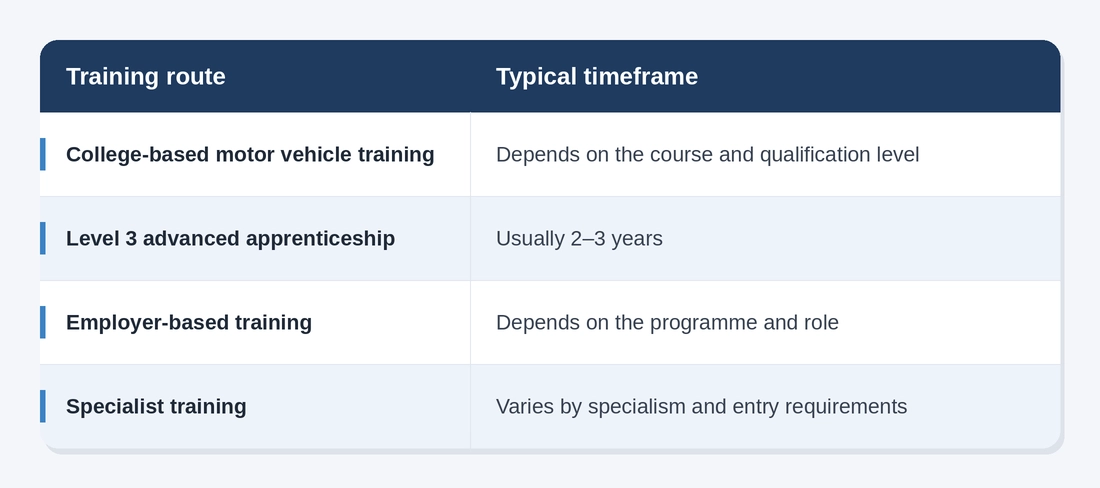
The National Careers Service states that a Level 3 advanced apprenticeship in motor vehicle service and maintenance for light vehicles usually takes two to three years. View the official career guidance.
It is important to distinguish between completing a course and becoming ready for a particular job. Some positions require recognised qualifications, workplace experience or additional assessments.
Rather than choosing a route based on speed alone, compare its qualification, training content and suitability for your career goals.
What Skills Do You Need to Become a Car Mechanic?
Car mechanics need technical knowledge alongside personal skills that help them diagnose problems, work safely and communicate clearly.
Technical Knowledge
Understanding engines, brakes, steering, suspension and electrical systems provides a foundation for vehicle maintenance and repair.
As vehicles become more technologically advanced, knowledge of electronic systems and diagnostic equipment is also increasingly relevant.
Problem-Solving Skills
Mechanics must identify the cause of a fault before deciding what needs to be repaired. This requires logical thinking, careful investigation and the ability to assess information.
Attention to Detail
Vehicle maintenance involves safety-critical components. Following procedures, checking work carefully and recording findings accurately are important responsibilities.
Communication Skills
Mechanics often explain faults, repair options and costs to customers or colleagues. Clear communication helps people understand what work is required.
Time Management
Workshops may handle several vehicles each day. Mechanics need to organise tasks, follow schedules and complete work within appropriate timeframes without overlooking safety requirements.
Willingness to Learn
Automotive technology continues to develop. A willingness to update your knowledge can help you adapt to new vehicle systems and explore specialist career opportunities.
Car Mechanic Salary in the UK
Car mechanic salaries vary according to experience, location, qualifications, employer and specialism.
The National Careers Service lists a salary range of £22,000 a year for starters to £42,000 for experienced motor mechanics. These are indicative figures rather than guaranteed earnings. Source: National Careers Service.
Your actual salary may differ depending on the role and employer.

What Affects a Car Mechanic’s Salary?
Several factors can influence earning potential:
Experience: Experienced mechanics may qualify for more advanced positions.
Qualifications: Relevant qualifications can help meet employer requirements.
Specialist knowledge: Advanced diagnostics and electric vehicle systems may open different career opportunities.
Location: Pay varies across regions and local job markets.
Responsibilities: Senior technicians and workshop supervisors may have additional duties.
When researching salaries, compare current vacancies in your area and check whether advertised figures relate to trainees, qualified mechanics or specialist technicians.
Career Progression Opportunities for Car Mechanics
A career in vehicle maintenance can lead to several different roles as your experience and qualifications develop.
Vehicle Technician
Vehicle technicians carry out servicing, maintenance, inspections and repairs. The role may involve working on a wide range of vehicle systems.
Diagnostic Technician
Diagnostic technicians focus on identifying more complex mechanical and electrical faults. This career path requires strong technical knowledge and the ability to interpret diagnostic information.
Hybrid and Electric Vehicle Technician
These technicians work with hybrid and electric vehicle systems. Additional training is important because high-voltage components require specific safety procedures and technical knowledge.
MOT Tester
An MOT tester carries out authorised vehicle testing. This role has specific eligibility, qualification and authorisation requirements, so it is important to check the official guidance before pursuing this route.
Workshop Supervisor or Controller
Experienced mechanics may progress into positions that involve organising workshop activity, allocating work and supporting other technicians.
Garage Owner or Self-Employed Mechanic
Some mechanics eventually establish their own businesses. This route also involves managing costs, customer service, business operations and legal responsibilities.
Automotive Trainer
With suitable experience and qualifications, some professionals move into education or assessment, supporting people who are developing their automotive knowledge.
Can You Become a Car Mechanic Without Qualifications?
It may be possible to enter the automotive industry without holding a formal mechanic qualification, for example through a trainee or garage assistant position.
However, the opportunities available will depend on the employer and the responsibilities of the role. More advanced or safety-critical work may require specific qualifications, training and evidence of competence.
If you are starting without qualifications, consider the following steps:
- Research trainee positions and entry-level opportunities.
- Check the requirements for motor vehicle courses and apprenticeships.
- Build your foundational knowledge of vehicle systems.
- Look for a suitable route towards recognised qualifications.
- Continue developing your knowledge as your responsibilities grow.
An introductory course can help you explore automotive topics and decide whether the field interests you. However, it should not be treated as a substitute for required occupational training or workplace experience.
How Can You Start Learning About Car Mechanics?
If you are new to the subject, start by exploring the main components of a vehicle and understanding what each system does.
You can begin with topics such as engine operation, vehicle maintenance, braking systems, tyres, steering, suspension and automotive terminology. Building knowledge gradually can help you understand the subject before choosing a more specialised training route
Explore Automotive Learning With StudyHub
If you want to develop your understanding of vehicle systems, a relevant StudyHub automotive course can be a useful starting point for exploring the subject.
Explore the StudyHub Level 3 Car Mechanic and Repair Training Course and earn a CPD-accredited certificate upon successful completion. You’ll also enjoy lifetime access, so you can revisit the course whenever you need.
There’s no need to pay the full price! Simply enter STUDY99 at checkout and get the entire course for just £11.99 — less than the cost of a takeaway!
Before enrolling, review the course description, syllabus, learning outcomes and qualification details to make sure the content matches your goals. If you intend to become employed as a mechanic, check whether you will also need a recognised occupational qualification and workplace training.
How to Get Started on Your Car Mechanic Career
If you are considering a career in vehicle maintenance, use this checklist to plan your next steps.
- Research the responsibilities of a car mechanic.
- Compare college courses, apprenticeships and trainee opportunities.
- Check entry requirements and qualification levels.
- Study the main vehicle systems.
- Find out what workplace experience your target role requires.
- Research job vacancies and current salary information.
- Identify opportunities to specialise or progress.
You do not need to decide on your entire career path immediately. Start by understanding the available routes and choosing the option that best suits your current knowledge, circumstances and long-term goals.
Conclusion
Becoming a car mechanic in the UK involves choosing a suitable training route, developing automotive knowledge and meeting the requirements of your target role. College courses, apprenticeships and employer-based training can all provide potential starting points.
As your experience grows, you may be able to progress into vehicle diagnostics, electric vehicle maintenance, workshop supervision or other automotive careers.
The most important first step is to research your options carefully and understand which qualifications and experience are required. With a clear plan and a commitment to continued learning, you can begin working towards a career in the automotive industry.


Frequently Asked Questions
Research relevant motor vehicle courses or apprenticeships, check entry requirements, complete suitable training and gain the experience required for your target position. The exact route depends on the role and employer.
Relevant college courses, Level 2 or Level 3 motor vehicle qualifications and apprenticeships are common routes. Requirements vary by employer and job responsibilities.
The timeframe depends on the training route. A Level 3 advanced apprenticeship in motor vehicle service and maintenance for light vehicles usually takes two to three years.
Yes, some people begin through trainee roles or employer-based training. However, you may still need recognised qualifications and workplace experience to progress into particular positions.
The National Careers Service lists indicative salaries of £22,000 for starters and £42,000 for experienced motor mechanics. Actual earnings vary by experience, location, employer and specialism.
It can suit people who enjoy vehicle technology, problem-solving and maintenance work. Consider the training requirements, working environment, career opportunities and salary expectations before making a decision.
Technical knowledge, problem-solving, attention to detail, communication, time management and a willingness to learn are all valuable.
Yes. With appropriate experience and additional training, you may explore areas such as diagnostics, hybrid and electric vehicle systems, MOT testing or workshop management.
An online course can help you explore vehicle systems and build foundational knowledge. However, check whether your intended job requires an occupational qualification, assessed competence or workplace training.
Age alone does not prevent someone from exploring a career change. Consider the entry requirements, training commitment, physical demands and available career routes before deciding which option is right for you.
- All Courses
- IT & Software388
- Management287
- Teaching and Education250
- Business245
- Health and Fitness227
- Engineering & Technology180
- Health & Safety163
- Health and Social Care143
- Quality Licence Scheme139
- Healthcare137
- Accounting & Finance130
- Psychology112
- Employability112
- Lifestyle105
- Marketing75
- Office Productivity74
- Animal Care63
- Design and Photography55
- Design50
- Beauty & Makeup49
- Accounting & Bookkeeping34
- Web Development27
- Construction26
- Writing20
- Child Care13
- Digital Marketing13
- Environment10
- Bundle8
- Coaching6
- Agriculture5

Awarded By


0 responses on "How to Become a Car Mechanic in the UK: 6 Easy Step-by-Step Guide"