


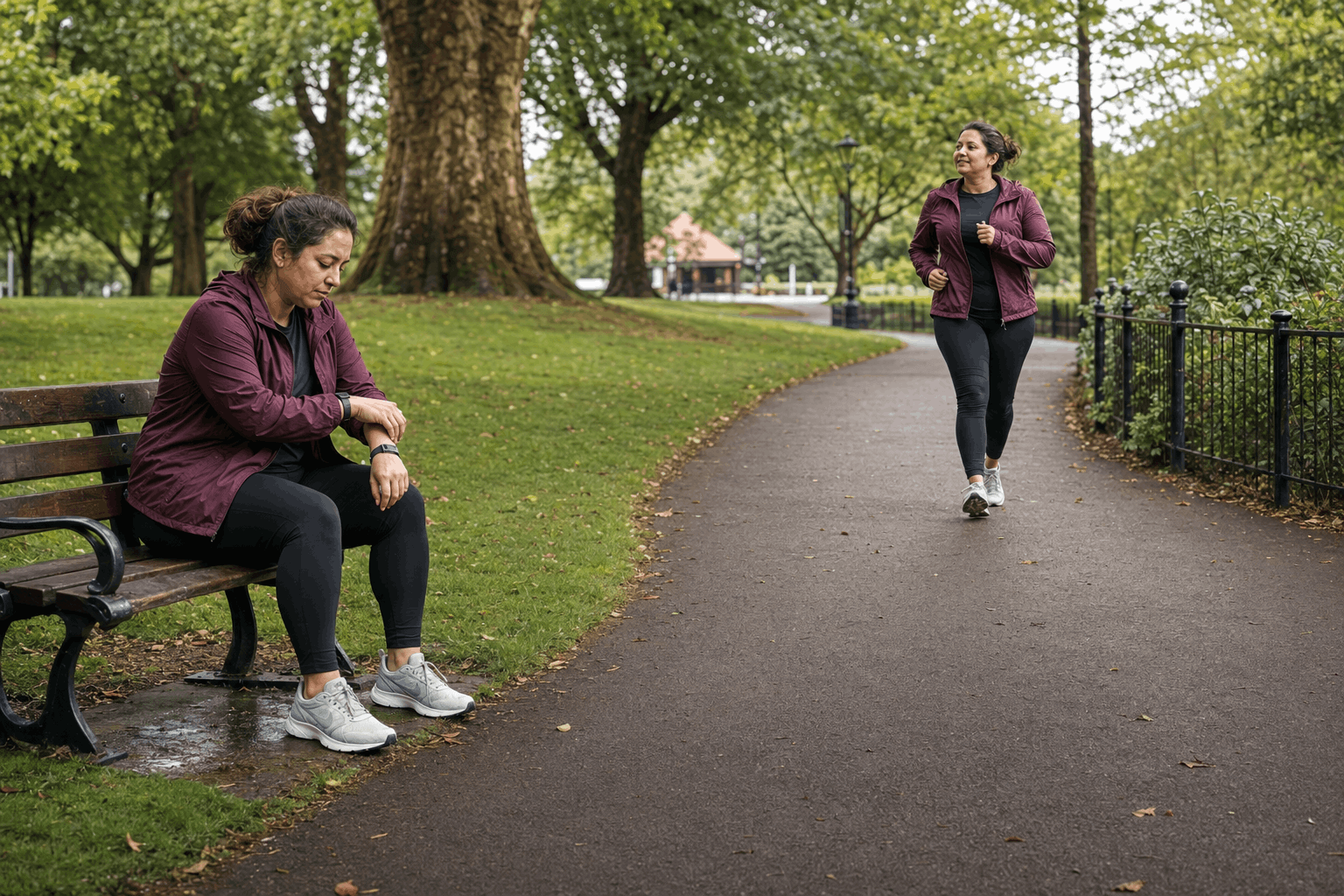
You promise yourself you will start on Monday. Yet Monday arrives, work runs late, your body feels tired, and the unused trainers by the door feel like another failure. If this sounds familiar, you are not lazy. You may simply feel lost. In July 2026, refreshed UK guidance offered a hopeful reminder: every minute of movement counts. Today, technology can make that first step less frightening. A phone can track a ten-minute walk, while beginner videos demonstrate each movement. Moreover, online fitness courses can teach you how to exercise safely. Therefore, if you are wondering how to start exercising, start small. Choose one gentle session today, repeat it tomorrow, and let each step rebuild your energy, routine, and confidence.
Table of Contents
How to Start Exercising: Follow These Seven Steps
Most beginners do not lack willpower. Instead, their plan asks too much, too soon. Learning how to start exercising means removing decisions early. Follow these steps and keep your first week easy.
1. Check whether you are ready
First, consider your health, recent activity, injuries, and medicines. Then, begin gently. However, speak with a GP when you have concerns. The NHS adult activity guide gives similar advice.
Meanwhile, warmth and faster breathing can be normal. Yet chest pain, faintness, or unusual breathlessness require attention. Therefore, seek suitable medical help.
2. Choose a reason you genuinely care about
Next, complete: “I want to move because I want to…” For example, choose easier stairs. Alternatively, choose more energy. A personal reason beats “I should exercise.”
Now turn that reason into a small result. For example, plan three ten-minute walks. Studyhub’s Personal Trainer at QLS Level 3 introduces anatomy and training principles. However, your first goal should remain simple.
3. Pick movement that fits your real life
The best activity is available, affordable, and enjoyable enough to repeat. For example, walking suits many beginners. Alternatively, try cycling, swimming, dancing, gardening, or seated exercise.
Ask where, when, and why the session might fail. Then remove one barrier. For example, place your trainers beside the door.
4. Put three short sessions in your diary
Now choose three specific times. “Monday at 6 pm” beats “sometime this week.” Allow 15–20 minutes, including preparation and cooling down.
Keep a backup plan. Instead, march indoors during rain. If work runs late, complete five minutes.
5. Start below your maximum effort
Initially, many beginners finish exhausted. Consequently, the next workout feels frightening. Therefore, finish while you still feel capable.
Use the talk test during cardio. Meanwhile, moderate effort allows talking, but not singing. However, vigorous effort allows only a few words. Therefore, start at light or moderate effort. This keeps how to start exercising safer.
6. Record actions, not just body changes
Afterwards, record the activity, minutes, effort, mood, and energy. Consequently, details reveal progress before appearance changes. Then, ten minutes may feel easier.
Studyhub’s Gym Instructor Certification: Fitness Coaching and Training covers exercise planning. Still, beginners only need a notebook or phone note.
7. Review and change one thing weekly
Finally, review your week without judgement. What worked? What felt difficult? Then increase one factor. Next, add time, repetitions, pace, or resistance.
These steps make how to start exercising manageable. More importantly, they fit movement around real life.
Build a Balanced Beginner Week
Only doing hard cardio can leave you tired. Instead, combine stamina, strength, mobility, and recovery. Therefore, this mix explains how to start exercising without copying advanced plans.
The latest UK Chief Medical Officers’ guidance asks adults to move daily. Therefore, aim for 150 moderate minutes weekly, or 75 vigorous minutes. Also, add strength work twice weekly. However, these numbers are a destination, not your first-week test.
Movement type | What it helps | Easy choices | Beginner amount |
Cardio | Heart, lungs, and stamina | Walking, cycling, swimming | 10–20 minutes |
Strength | Muscles, bones, and daily tasks | Chair squats, wall presses | 1 set of 8–10 |
Mobility | Comfortable joint movement | Shoulder circles, ankle rolls | 5 minutes |
Balance | Control and stability | Heel raises, supported stands | 10–20 seconds |
Recovery | Repair and steady energy | Rest or a gentle walk | At least one easier day |
Studyhub’s Fitness Instructor Certification: Guiding Health and Wellness can deepen fitness knowledge. Nevertheless, your plan must match your ability. Therefore, start below the national target, then build gradually.
Complete Your First Full Workout
A session has three parts. It warms your body, works it, then settles it. Therefore, how to start exercising becomes clearer with this shape.
Warm up for five minutes
First, march easily for one minute. Next, roll your shoulders ten times. Then, complete five chair stands. Finally, circle each ankle. Feel warmer, not tired.
Complete one controlled circuit
Move slowly and breathe normally. Rest for 45–60 seconds between exercises. Ultimately, good form matters more than speed.
Exercise | How to do it | Amount | Easier option |
Chair squat | Sit back towards a stable chair. Then stand tall. | 8 reps | Use your hands for support. |
Wall press | Bend your elbows towards a wall. Then press away. | 8 reps | Stand closer to the wall. |
Glute bridge | Lift your hips gently from the floor. | 8 reps | Lift through a smaller range. |
Bird-dog | Extend opposite limbs while keeping your trunk still. | 6 each side | Move one limb at a time. |
Heel raise | Rise onto your toes while holding support. | 10 reps | Use both hands for support. |
Next, walk, cycle, wheel, or march for ten minutes. Alternatively, use two five-minute blocks. Studyhub’s Personal Trainer / Fitness Instructor course discusses programme planning. However, seek personal instruction when technique feels uncertain.
Cool down for five minutes
Slow down until breathing feels comfortable. Afterwards, stretch gently without bouncing. The NHS exercise hub offers free strength, flexibility, and balance routines.
Your first session should build confidence. This keeps how to start exercising focused on returning safely.
Use This Four-Week Beginner Workout Plan
A useful plan removes guesswork but still allows change. This schedule shows how to start exercising from a low starting point. Move days when needed, but preserve the weekly pattern.
Week | Cardio | Strength and mobility | Main goal |
1 | Three easy 10-minute walks | One circuit; two mobility sessions | Learn the movements |
2 | Four 15-minute sessions | Two circuits on separate days | Build consistency |
3 | Four 20-minute sessions | Two circuits; try a second set | Improve control |
4 | Five 20–25-minute sessions | Two circuits; one balance session | Approach UK guidance |
Week 1: Make starting feel normal. Keep every session easy. Simply arrive and finish. Consequently, how to start exercising feels less intimidating.
Week 2: Repeat before adding difficulty. Add one walk and one strength day. Meanwhile, repeat week one if soreness remains strong.
Week 3: Add volume carefully. Extend cardio by five minutes. Try another circuit only with controlled form. Studyhub’s Personal Trainer Certification: Fitness Coaching and Health Transformation explains broader coaching ideas. Yet your response should guide progression.
Week 4: Build a routine you can keep. Choose the days that worked best. If needed, repeat week three. Repeating is sensible, not failure.
This plan grows weekly cardio from 30 to 100–125 minutes. Therefore, it respects real recovery. It shows how to start exercising without rushing towards 150 minutes.
Choose Home, Gym, or Low-Impact Options
Consistency matters more than location. Learning how to start exercising means choosing the easiest suitable setting today.
If you prefer… | Start with… | Watch for… |
Home exercise | Chair squats, wall presses, marching | Loose rugs and limited space |
Outdoor exercise | Brisk walking or cycling | Weather, lighting, and safe routes |
Gym exercise | Treadmill walking and stable machines | Incorrect machine setup |
Low-impact exercise | Swimming, cycling, seated routines | Movements that still cause pain |
First, ask gym staff to explain each machine. Record its settings. Meanwhile, use a stable chair at home. Also, replace jumping with side steps.
These swaps preserve the goal. Thus, how to start exercising can suit different bodies and budgets.
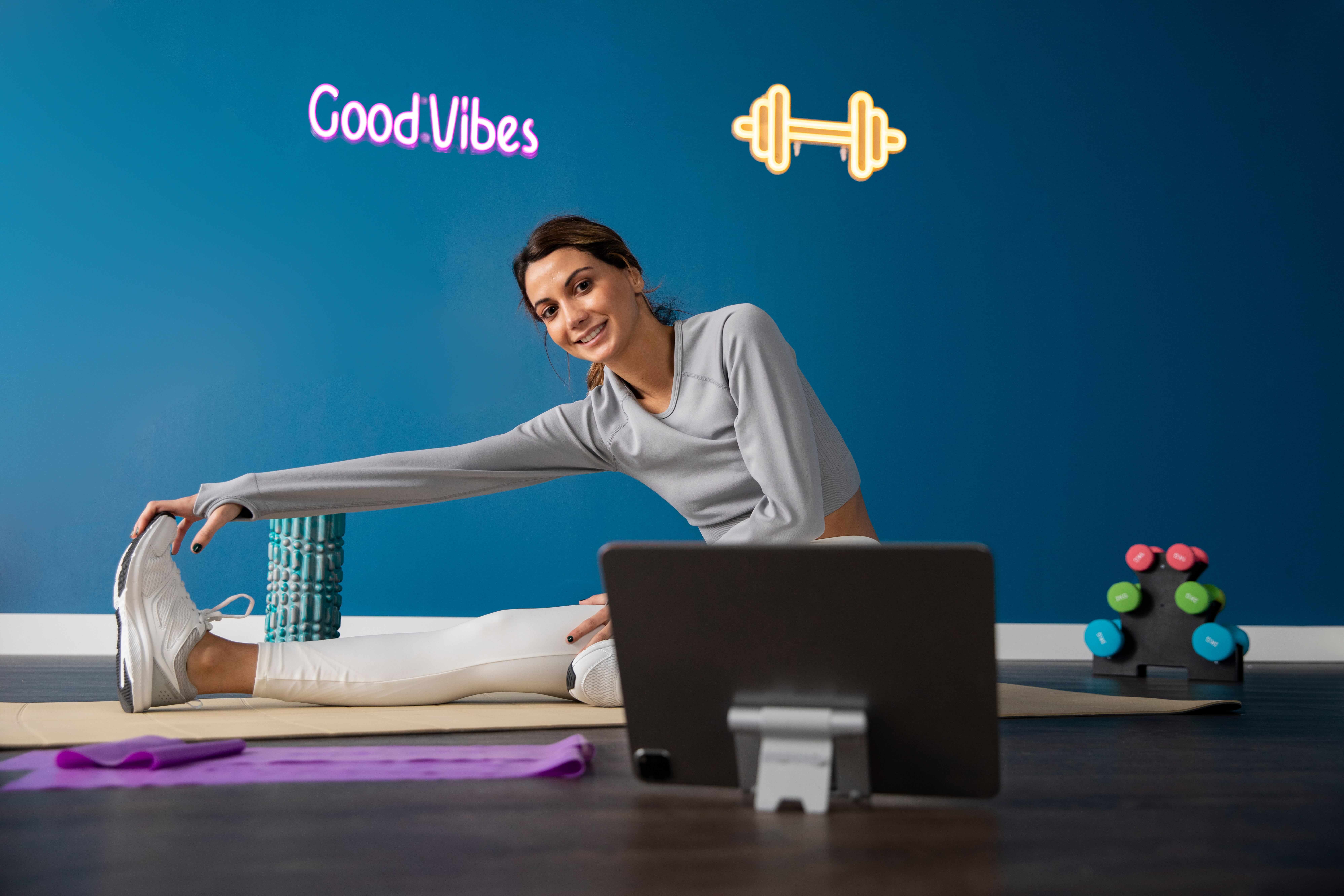
Eat, Drink, Rest, and Understand Soreness
Recovery supports every workout. Therefore, eat regular, balanced meals. Include fruit, vegetables, higher-fibre carbohydrates, and protein. The NHS balanced diet guide gives clear advice.
Also, drink regularly and take water to longer sessions. However, beginners rarely need costly powders. Studyhub’s Fitness, Sports and Nutrition Training links movement with nutrition learning. Still, medical dietary needs require professional advice.
New muscles may feel dull and tender later. Meanwhile, gentle walking can help. However, sharp, swollen, joint-based, or worsening pain is different. Therefore, stop and seek advice.
Recovery belongs inside how to start exercising. Sleep and easier days help your body adapt.
Stay Consistent When Motivation Disappears
Motivation changes. Instead, connect exercise to a daily cue. For example, walk after lunch or stretch after brushing. This makes how to start exercising depend less on mood.
Use these solutions when normal life interrupts:
“I have no time.” Complete five minutes now. A short session keeps the pattern alive.
“The weather is awful.” Walk indoors or use a seated routine.
“I feel watched.” Begin privately at home. Then visit quieter gym hours.
“I missed a week.” Restart below your last level. Never punish yourself.
“I am bored.” Change the route, music, activity, or training partner.
Also avoid adding too much after one easy session. Progress slowly. Studyhub’s Level 2 Fitness Instructor Course Online offers structured learning about movement. Finally, check professional requirements before planning a fitness career.
Small restarts are part of how to start exercising. One missed day erases nothing.
Access the course library of 3000+ courses for just £149 for a lifetime!
Final Thoughts
The best beginner workout is not the hardest one. It is the one you can repeat. Start with three short sessions, use comfortable effort, and record each result. Then add one small challenge weekly. Ultimately, how to start exercising comes down to one manageable action today. Take a short walk today. Afterwards, let repetition build confidence. If structured learning supports your interest, Studyhub offers several fitness courses. Start small and stay patient.
FAQs
Start with three active days. Keep harder sessions apart. Add another after comfortable recovery.
Yes. A brisk ten-minute walk counts towards weekly activity. Add strength work as confidence grows.
Use a chair, wall, and clear floor. Try marching, chair squats, and wall presses.
Gentle daily movement can work. However, avoid hard training every day. Muscles need recovery time.
Restart with a shorter session. Avoid punishment workouts. Knowing how to start exercising includes restarting calmly.
Progress after sessions feel controlled and recovery feels normal. Then increase one factor slightly.
- All Courses
- IT & Software388
- Management287
- Teaching and Education250
- Business245
- Health and Fitness227
- Engineering & Technology180
- Health & Safety163
- Health and Social Care143
- Quality Licence Scheme139
- Healthcare137
- Accounting & Finance130
- Psychology112
- Employability112
- Lifestyle105
- Marketing75
- Office Productivity74
- Animal Care63
- Design and Photography55
- Design50
- Beauty & Makeup49
- Accounting & Bookkeeping34
- Web Development27
- Construction26
- Writing20
- Child Care13
- Digital Marketing13
- Environment10
- Bundle8
- Coaching6
- Agriculture5

Awarded By


0 responses on "How to Start Exercising: A Beginner’s Guide to Working Out"