



Have you found an interpreter course but are unsure what its certificate will actually allow you to do? You are not alone. Many people exploring Interpreter Courses UK want to know whether a course certificate is enough to start working, whether it is officially recognised and how it differs from a professional qualification.
The answer depends on the course, its awarding organisation, its assessment and the type of interpreting work you want to pursue. A certificate showing that you completed an online course is not automatically the same as an Ofqual-regulated qualification or a professional interpreting diploma.
This guide explains what an interpreter course certificate means, explores interpreter qualifications in the UK and helps you understand what to check before enrolling. You will also learn how to compare training options and consider whether an introductory course is the right starting point.
What Is an Interpreter Course Certificate?
An interpreter course certificate is a document that confirms a learner has completed a particular interpreting course or met its assessment requirements. It can provide evidence of learning and show that someone has studied important interpreting topics.
An interpreter helps people communicate when they do not share the same language. They listen to a speaker’s message and communicate its meaning in another language, usually in real time. Interpreters may work in healthcare, education, legal services, business meetings and community settings.
A typical interpreter training course may cover:
- Language skills and communication.
- Listening and interpreting techniques.
- Cultural awareness.
- Professional behaviour and ethics.
- Confidentiality and impartiality.
- Specialist interpreting settings.
- Technology used in remote interpreting.
However, not every course covers all these areas or assesses them in the same way. Some courses provide a certificate after attendance or completion, while others require learners to pass an assessment.
What does an interpreter course certificate prove?
It provides evidence that you completed the learning or assessment stated by the course provider. It does not automatically prove that you meet the professional requirements for every interpreting role.
This is why understanding an interpreter course certificate explained in the context of your career goals is important. Before choosing from the many Interpreter Courses UK, check what you will learn, how you will be assessed and what certificate you will receive.
Is an Interpreter Course Certificate a Recognised Qualification?
Not always. An interpreter course certificate and a regulated qualification are not necessarily the same thing.
A course provider may issue a certificate to confirm that you completed its training. A regulated qualification, however, is an officially regulated award listed under the relevant qualifications framework.
Here are the main differences:
| Certificate or Qualification | What It Generally Means |
|---|---|
| Course completion certificate | Confirms that you completed a course |
| Assessment-based certificate | Confirms that you completed the required assessment |
| CPD certificate | Records continuing professional development |
| Regulated qualification | An officially regulated qualification awarded by an approved awarding organisation |
| Professional diploma | A specialist qualification designed to assess professional knowledge and skills |
| Professional registration | A listing granted after meeting a professional register's requirements |
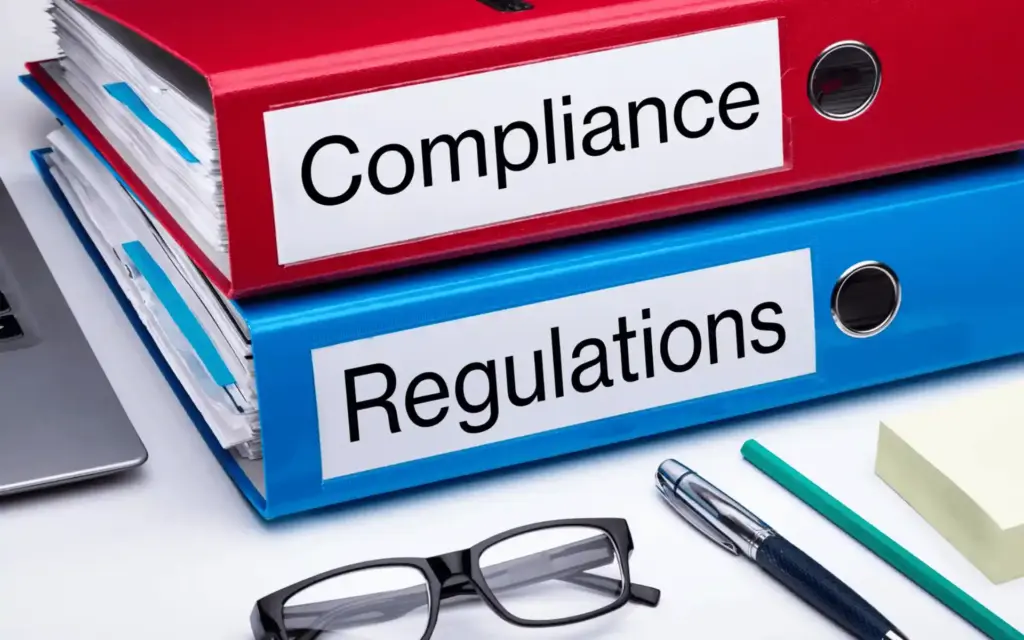
These terms should not be used interchangeably. For example, a course may offer a CPD-related certificate without being an Ofqual-regulated qualification.
What Does Ofqual Regulation Mean?
Ofqual is the Office of Qualifications and Examinations Regulation. It regulates qualifications, examinations and assessments in England.
If a provider describes a qualification as Ofqual-regulated, you should check the exact qualification title and awarding organisation rather than relying only on marketing language.
You can use the official Find a regulated qualification service to check whether a qualification appears on the register. The register covers England and Northern Ireland. Wales and Scotland have separate qualification arrangements.
Remember, an online course is not automatically unrecognised simply because it is delivered online. Equally, a certificate does not become a regulated qualification just because it is issued after an online assessment.
How Can You Check Whether an Interpreter Qualification Is Recognised?
Before paying for an interpreter course, follow these steps:
- Check the exact course title: Make sure you know the name of the certificate or qualification you will receive.
- Identify the awarding organisation: Find out which organisation issues the award.
- Check its regulatory status: Search the relevant official qualification register if the provider claims the qualification is regulated.
- Review the assessment: Understand whether you need to complete an assignment, examination or practical assessment.
- Check professional requirements: Contact the employer, interpreting agency or professional register relevant to your intended work.
These checks can help you compare interpreter qualifications and avoid paying for a course that does not match your career plans.
For more detailed guidance, our future pillar article, Interpreter Qualifications Explained and Compared, will explore the different UK qualification routes and their uses.
What Interpreter Qualifications Do You Need in the UK?
There is no single qualification that covers every type of interpreting work in the UK. The training you need depends on the language, specialist area, employer and type of assignment.
For example, someone interested in community interpreting may follow a different route from someone who wants to interpret in courts or other legal settings.
The main routes include introductory interpreter training, community interpreting qualifications and specialist professional diplomas.
Level 2 and Introductory Interpreter Training
Introductory courses can help beginners understand the interpreting profession and develop basic knowledge of communication, language skills and interpreting techniques.
They may be useful if you:
- Are exploring interpreting as a possible career.
- Want to understand the responsibilities of an interpreter.
- Need an introduction to professional ethics and communication.
- Want to build foundational knowledge before further study.
However, completing an introductory course does not automatically qualify you for professional or specialist interpreting assignments.
Level 3 Community Interpreting Qualifications
Community interpreting involves helping people communicate in everyday public-service settings. These may include healthcare, education and local community services.
A structured Level 3 community interpreting qualification can help learners develop skills for straightforward, predictable interpreting situations. However, its scope is not the same as advanced legal interpreting.
The Ministry of Justice’s 2026 Interpreter Qualifications Framework sets specific qualification and experience standards for its interpreting assignments in England and Wales. Therefore, learners should not assume that every Level 3 course meets the framework’s requirements.
You can read the Ministry of Justice language services guidance for current information.
Level 6 Diploma in Public Service Interpreting (DPSI)
The Diploma in Public Service Interpreting (DPSI) is a specialist professional qualification offered by CIOL Qualifications.
It has Law and Health pathways and assesses skills relevant to public-service interpreting. The DPSI is a more advanced route than a short introductory interpreting course.
For example, CIOL states that its Level 6 DPSI Law is accepted for Ministry of Justice court and wider criminal justice work. However, the exact requirements for an assignment should always be checked against the current framework.
Read the CIOL Level 6 Diploma in Public Service Interpreting information to understand the qualification and its pathways.

British Sign Language Interpreter Qualifications
British Sign Language (BSL) interpreting follows a separate professional route from spoken-language interpreting.
BSL interpreters work between sign language and spoken language. They need appropriate BSL skills, interpreting training and, where required, professional registration.
A spoken-language interpreter course should not be treated as a substitute for BSL qualifications or registration.
If you are interested in learning BSL, explore the available StudyHub language and communication courses to find relevant learning options.
What Is the Difference Between DPSI, NRPSI and an Interpreter Course Certificate?
These three terms are often confused, but they describe different things.
| Term | What It Means |
|---|---|
| Interpreter course certificate | Evidence of completing a particular course or assessment |
| DPSI | A Level 6 professional diploma in Public Service Interpreting |
| NRPSI | The National Register of Public Service Interpreters |
| CPD | Continuing professional development |
Is NRPSI a Qualification?
No. The National Register of Public Service Interpreters (NRPSI) is a professional register, not a qualification.
It checks whether applicants meet its requirements for qualifications and practical interpreting experience before they can join the register.
You can read the NRPSI qualification requirements for more information.
Does a DPSI Automatically Give You NRPSI Registration?
No. Holding a DPSI and joining NRPSI are separate steps. Applicants must meet the register’s current qualification and experience criteria.
This distinction matters when comparing interpreter qualifications because a course certificate, professional diploma and registration do not offer the same recognition.
Understanding an interpreter course certificate explained in this way can help you make a more informed choice before investing in further training.
How Much Does an Interpreter Course Cost in the UK?
The interpreter course cost UK learners pay depends on the course level, provider, teaching format, assessment method and type of certificate offered.
A short online course may cost less than a tutor-led college programme or a specialist professional qualification. However, a lower price does not always mean a course offers the same level of training or recognition.
Before enrolling, compare what is included in the total cost.
What Can Affect Interpreter Course Fees?
Several factors can affect the price of Interpreter Courses UK learners can choose from:
- Course level: Introductory courses and advanced professional qualifications may have very different fees.
- Learning format: Self-paced online courses, live online classes and classroom programmes have different costs.
- Tutor support: Some courses include tutor guidance, while others offer independent study.
- Assessment: Check whether assignments, examinations or assessment fees are included.
- Certificate fees: Some providers charge separately for digital or printed certificates.
- Course duration: Longer programmes may include more teaching, practice and assessment.
StudyHub Interpreter Diploma Level 3: Course Price and Certificate Fees
StudyHub’s Interpreter Diploma Level 3 is an online course for learners who want to develop their knowledge of interpreting.
At the time of checking, the course page displayed a price of £26 excluding VAT. It also listed separate certificate charges:
- PDF certificate: £9.99 after successfully passing the written assignment.
- Printed certificate: an additional £19.99.
The course page lists around 2 hours and 39 minutes of learning content. It also provides access to eight modules covering interpreting, language skills, interpreting techniques, specialised fields, cultural competence, technology, ethics and confidentiality, and common challenges.
Check the StudyHub course page for the latest price, certificate terms and course details before enrolling, as fees and offers can change.
How to Compare Interpreter Course Costs
Do not compare courses by price alone. A short introductory course and a professional qualification may have different purposes.
| What to Compare | What to Check |
|---|---|
| Course content | Does it cover the knowledge you want to develop? |
| Qualification level | Is it introductory, vocational or professional? |
| Recognition | Is the qualification regulated or does it offer another form of recognition? |
| Assessment | Is there an assignment, examination or practical assessment? |
| Certificate | Is the certificate included or charged separately? |
| Support | Is tutor support available? |
| Study format | Can you study at your own pace? |
The best choice is the course that matches your learning needs and future plans, not simply the one with the lowest fee.
How to Choose the Right Level 3 Interpreter Course
Choosing between different Interpreter Courses UK providers can feel confusing, especially if you are new to the subject.
Start by deciding what you want to achieve. You may want to understand the basics of interpreting, prepare for further study or work towards a recognised professional qualification.
Use these checks before you enrol.
1. Check the Course Level
Look at the course level and its learning outcomes. A course labelled Level 3 may help you develop introductory or intermediate knowledge, but the level label alone does not prove that it is an Ofqual-regulated qualification.
If you need a regulated qualification, check the exact qualification title and awarding organisation on the relevant official register.
You can use the GOV.UK Find a regulated qualification service to check qualifications regulated in England and Northern Ireland. Different qualification arrangements apply across the UK.
2. Understand What the Certificate Proves
A course certificate usually confirms that you completed a course or met its stated assessment requirements.
It does not automatically prove that you meet the professional requirements for every interpreting role.
When researching an interpreter course certificate explained topic, check:
- The name of the course provider.
- The exact certificate title.
- Whether an awarding organisation is named.
- Whether the qualification is regulated.
- Whether the certificate is awarded after attendance, completion or assessment.
- Whether employers or professional bodies accept it for your intended role.
3. Review the Course Content
A useful course should clearly explain what you will learn.
Look for topics such as:
- Interpreting methods and techniques.
- Language and communication skills.
- Cultural awareness.
- Professional behaviour.
- Confidentiality and ethics.
- Specialist interpreting settings.
- Technology used in interpreting.
The content should match your current knowledge and learning goals.
4. Check Assessment and Tutor Support
Find out how your learning will be assessed. Some courses use written assignments, while others may include examinations or practical assessments.
Also check whether tutor support is available and when you can contact the course team.
For example, StudyHub’s Interpreter Diploma Level 3 course page describes a written assignment and tutor support. Read the course information carefully so you understand the assessment and support arrangements before enrolling.
5. Look for Clear Course Information
A reliable course provider should explain its fees, course content, study format, assessment and certificate arrangements.
Be careful with claims such as guaranteed employment, automatic professional registration or acceptance by every employer. Ask the provider for evidence if a claim is important to your decision.
What Can You Learn from Interpreter Training?
Interpreter training can help learners understand the knowledge and responsibilities involved in supporting communication between people who use different languages.
The exact topics depend on the course, but useful areas of study may include the following.

Language Skills Development
Interpreters need a strong understanding of the languages they work with. Training can help learners think about vocabulary, meaning, context and clear communication.
Interpreting Techniques
Interpreting involves more than repeating words in another language. Learners need to understand how to communicate the speaker’s intended meaning accurately.
Cultural Competence
Language and culture can affect how people express ideas. Cultural awareness can help interpreters understand context and avoid unnecessary confusion.
Ethics and Confidentiality
Interpreters may work with private or sensitive information. They need to understand the importance of confidentiality, impartiality and professional conduct.
The Ministry of Justice’s Code of Conduct and Ethics for Interpreters explains the standards expected of interpreters working on its language service contracts in England and Wales.
Technology in Interpreting
Some interpreting services take place by telephone or video. Understanding technology can help learners become familiar with remote communication and the practical challenges it may involve.
These topics are also included in the curriculum listed on StudyHub’s Interpreter Diploma Level 3 course page.
Is StudyHub's Interpreter Diploma Level 3 Suitable for Beginners?
StudyHub’s Interpreter Diploma Level 3 may be worth considering if you are at an early stage of learning about interpreting and want to study the subject online.
The course page states that learners can enrol without previous qualifications or experience. It is self-paced and includes eight modules, a written assignment and tutor support.
Here is a summary of the course information:
| Course Feature | Details Listed by StudyHub |
|---|---|
| Course | Interpreter Diploma Level 3 |
| Study format | Online, self-paced |
| Listed learning content | 2 hours and 39 minutes |
| Previous experience | Not required |
| Assessment | Written assignment |
| PDF certificate | £9.99 after passing |
| Printed certificate | Additional £19.99 |
| Main topics | Techniques, language skills, cultural competence, ethics and more |
Important: This course is a learning option, not a guarantee of employment, professional registration or eligibility for specialist public-service interpreting assignments. If your goal is to work in courts, healthcare or another regulated or specialist setting, check the relevant qualification and experience requirements first.
You can review the Interpreter Diploma Level 3 course to decide whether its content and study format suit your needs.
What Should You Do After Completing an Interpreter Course?
Completing a course can be a useful step in your learning journey. Your next move should depend on the type of interpreting work you want to pursue.
Consider these steps:
- Review your learning: Identify the skills and topics you understand well and the areas that need more practice.
- Improve your language ability: Continue developing vocabulary, listening, speaking and understanding in both working languages.
- Research professional requirements: Check the qualifications and experience needed for your preferred interpreting setting.
- Explore further training: Consider specialist courses or recognised professional qualifications if they match your career goals.
- Build relevant experience: Look for suitable supervised learning, volunteering or other opportunities where appropriate.
- Keep learning: Develop your knowledge of professional conduct, confidentiality and specialist terminology.
For public-service interpreting, the requirements can depend on the assignment and the organisation commissioning the work. The Ministry of Justice Language Services guidance includes its updated Interpreter Qualifications Framework, which applies to England and Wales.
Final Thoughts: Choose an Interpreter Course That Matches Your Goals
Choosing an interpreter course certificate is not just about finding a course and receiving a document at the end. You need to understand what the training covers, what the certificate confirms and whether it supports your future plans.
The right choice depends on your current skills and the type of interpreting you want to pursue. An introductory course can help you build knowledge, while specialist roles may require recognised qualifications and relevant experience.
If you are comparing Interpreter Courses UK options, take time to check the course details, certificate status and total cost. Understanding these points will help you make a more informed decision.
For learners who want a flexible introduction to the subject, StudyHub’s Interpreter Diploma Level 3 is one option to review.
You can also read our related guide, How to Become an Interpreter in the UK: A Complete Guide, for more information about career routes, skills and professional development.
Continue learning: For a deeper comparison of qualification levels and professional routes, read our pillar guide, Interpreter Qualifications Explained and Compared. Add the live article URL here once the pillar blog is published.


Frequently Asked Questions
An interpreter course certificate generally confirms that a learner has completed a course or met its stated assessment requirements. Its value depends on the course, provider, awarding organisation and recognition status.
An interpreter course certificate explained in simple terms is evidence of learning, but it does not automatically prove that someone is qualified for every professional interpreting role.
Not necessarily. Employers may look for relevant qualifications, language ability, experience and specialist knowledge. Requirements vary between business, healthcare, legal and community interpreting roles.
Check the requirements in job adverts and with the organisation you want to work for before choosing a course.
A course certificate may confirm that you completed a provider’s training programme. A regulated qualification is an exact qualification that has been formally recognised within the relevant regulatory system.
To check a qualification, use the official register and confirm its title and awarding organisation.
The interpreter course cost UK learners pay varies according to course level, provider, study format and assessment. Short online courses may have lower fees, while tutor-led programmes and specialist professional qualifications may cost more.
Always check whether assessment and certificate charges are included in the advertised price.
If you need a professional qualification for a specific role, confirm that the course meets the relevant requirements before enrolling.
Online courses can be useful if you want flexible study and a structured introduction to interpreting. However, check the course content, assessment, tutor support and certificate status.
If you need a professional qualification for a specific role, confirm that the course meets the relevant requirements before enrolling.
A Level 3 course may help you develop knowledge of interpreting, but it does not automatically meet the requirements for professional or specialist interpreting work.
For example, the Ministry of Justice has a specific qualification framework for its assignments in England and Wales. The route you need depends on the type of work you want to do.
No. The CIOL Qualifications Level 6 Diploma in Public Service Interpreting (DPSI) is a professional qualification with specific pathways. An Interpreter Diploma Level 3 course should not be treated as equivalent to the DPSI.
You can read about the CIOL Level 6 DPSI to understand its purpose and requirements
You can explore college programmes, university courses, professional qualifications and online learning options. Compare the course level, recognition, assessment and fees before making a decision.
You can also browse StudyHub’s course collection to explore available learning options.
- All Courses
- IT & Software388
- Management287
- Teaching and Education250
- Business245
- Health and Fitness227
- Engineering & Technology180
- Health & Safety163
- Health and Social Care144
- Quality Licence Scheme139
- Healthcare137
- Accounting & Finance130
- Psychology112
- Employability112
- Lifestyle105
- Marketing75
- Office Productivity74
- Animal Care63
- Design and Photography55
- Design50
- Beauty & Makeup49
- Accounting & Bookkeeping34
- Web Development27
- Construction26
- Writing20
- Child Care17
- Digital Marketing13
- Environment10
- Bundle8
- Coaching6
- Agriculture5
Awarded By

0 responses on "Interpreter Course Certificate Explained: Practical Guide"